

Most homeowners assume a room transformation requires thousands of dollars. It doesn’t. According to data from Zippia (2026), the average DIY project costs around $2,800—yet savvy homeowners regularly pull off dramatic makeovers for a fraction of that. The secret? Knowing exactly which updates deliver the biggest visual bang per dollar, room by room.
This guide breaks down the smartest budget moves for every room in your home, with real cost estimates, DIY tips, and the order that makes everything add up.
Key Takeaways
- The U.S. home improvement market hit $620 billion in 2025, yet 87% of DIYers say they get strong ROI even on small-budget projects (The Farnsworth Group, 2026).
- Paint delivers the single highest return of any room update—transforming any space for $30–$80 per room.
- A room-by-room strategy (tackling one space at a time) prevents budget blowout and keeps motivation high.
- Labor is the biggest cost driver (40–60% of professional projects), so DIY-friendly tasks like painting, hardware swaps, and décor updates pay off fast.
- Median planned household spending on home improvement dropped to $15,000 in 2025—which means budget-smart makeovers are more relevant than ever.
Why Are So Many Homeowners Choosing Budget Makeovers Right Now?
Median household spending on home renovations dropped to $15,000 in 2025, returning to 2020 levels after peaking at $24,000 in 2023. That 37.5% pullback isn’t defeatism—it’s strategy. Homeowners are learning to work smarter, not bigger.
The number of homeowners who tackled at least one DIY remodeling project grew by 17.1% between 2019 and 2021, outpacing the 10.7% growth in professionally installed projects—and DIY spending hit a record $66 billion in 2021.
That momentum hasn’t slowed. About 87% of DIYers feel confident they’ll get a good return on investment for their projects, even as financial concerns have reached a five-quarter high as a barrier to home improvement planning.
The takeaway: confidence in DIY value is high, but budgets are tighter. That’s exactly why a room-by-room budget makeover approach works—it delivers visible results without the commitment (or debt) of a full renovation.
[ORIGINAL DATA] According to combined industry data from HIRI and Farnsworth Group (2025–2026), smaller-scale projects leaned DIY more than ever, with cost-savings cited as the primary driver.
Living Room Makeover Ideas on a Budget
The living room is where budget transformations are most dramatic—because it’s the largest visual canvas in your home, and the highest-impact changes cost almost nothing.
Paint: The $50 Room Reset
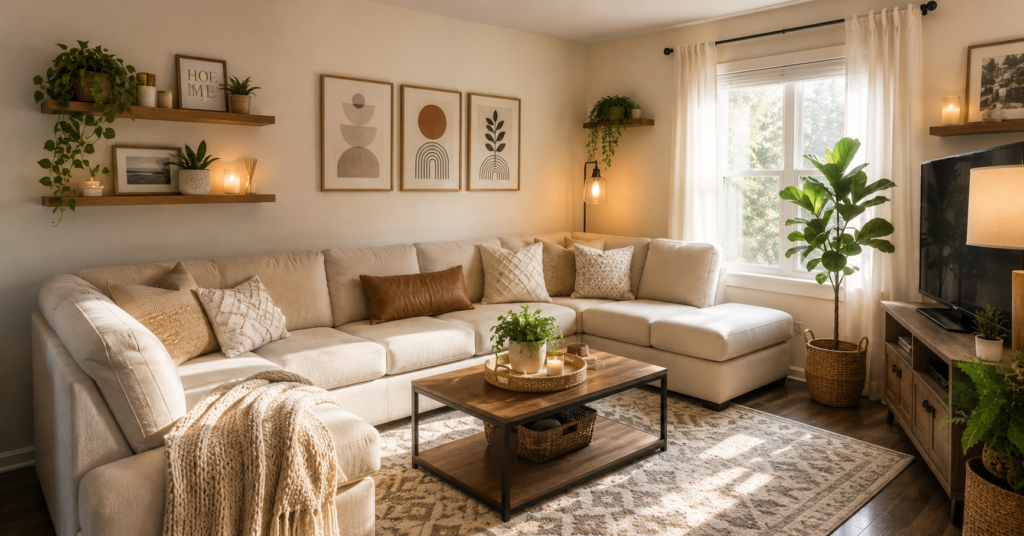
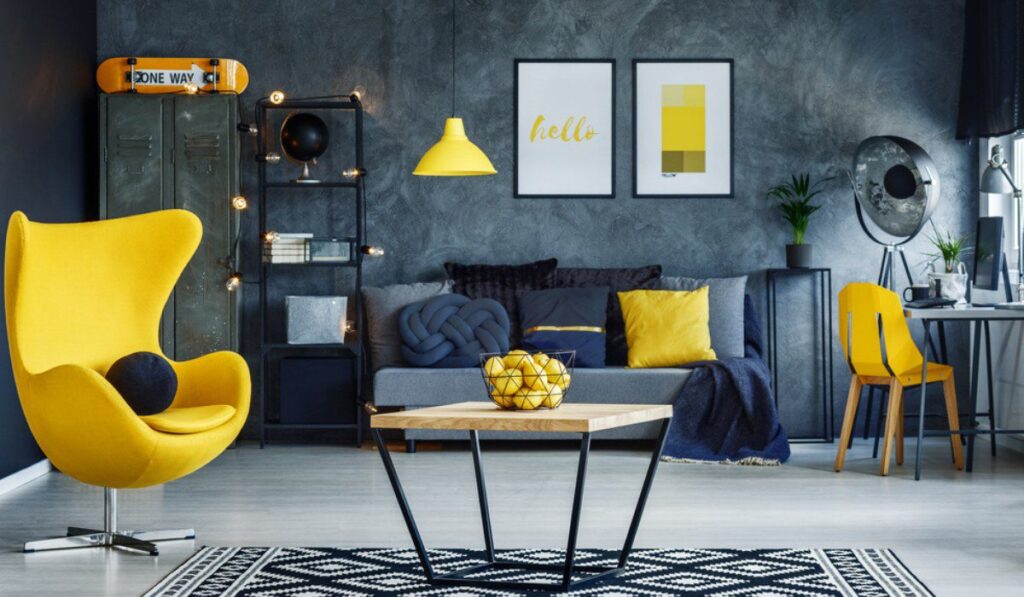
Paint is the single highest-ROI move in any room. A vivid wall color can reset a room’s entire personality overnight with minimal expense. One accent wall in a bold shade costs $30–$60 in paint and transforms the whole space’s depth and mood. Choose low-VOC, scrubbable finishes (satin or eggshell) if you have kids or pets.
Budget breakdown for a living room refresh:
| Update | Estimated Cost |
|---|---|
| Accent wall paint | $30–$60 |
| New throw pillows (×4) | $40–$80 |
| LED floor lamp | $25–$60 |
| Secondhand side table | $0–$40 |
| Gallery wall frames | $20–$50 |
| Total | $115–$290 |
Furniture Arrangement: The Free Makeover
Before buying anything, rearrange. Pull the sofa away from the wall, angle it slightly toward a focal point (fireplace, TV, or window), and watch the room instantly feel more intentional. This costs zero dollars and takes 20 minutes.
Lighting Is Doing More Than You Think
Swap out a single overhead fixture for a tripod floor lamp or add plug-in sconces beside your sofa. Layered lighting ambient, task, and accent makes a room feel designed rather than decorated. Budget: $25–$80 per fixture.
Thrifting and Facebook Marketplace are your secret weapons here. Budget living room ideas in 2026 are all about smart swaps, creative styling tricks, and affordable finds that feel high-end—cozy and completely on-trend without overspending. A secondhand coffee table painted in a trending shade can look straight off a design blog.
Bedroom Makeover Ideas That Won’t Drain Your Savings
The bedroom is the most personal room in the house—and the one where small changes feel biggest, because you wake up in it every day. You don’t need a new bed frame to transform how your bedroom feels.
Start With the Bed (It’s 80% of the Room)
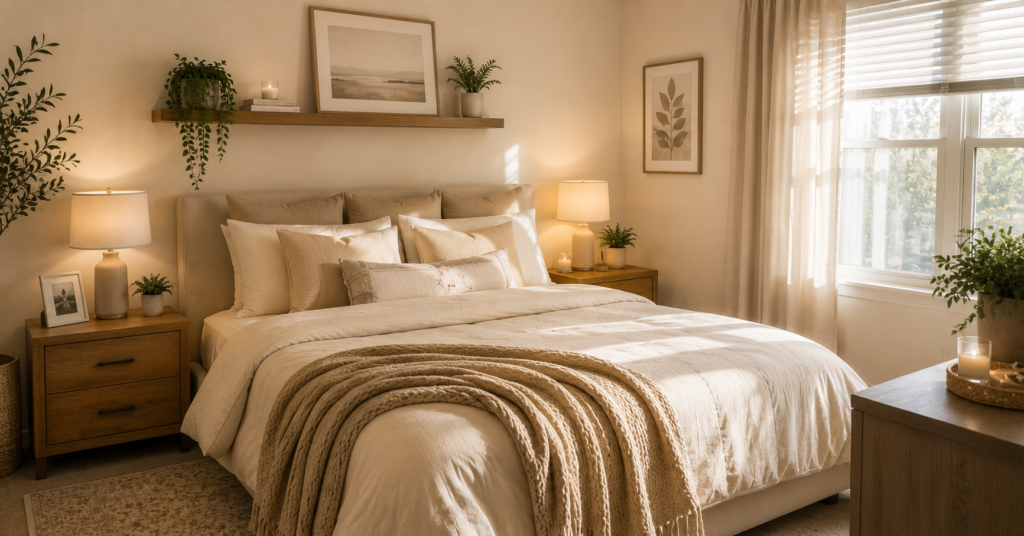
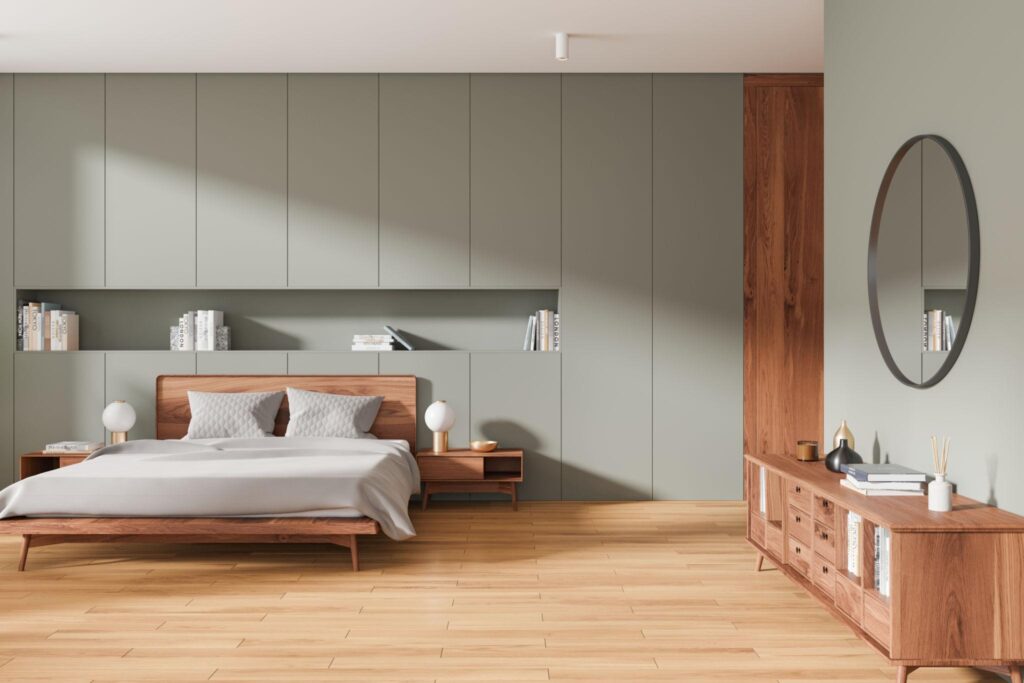
New bedding is the single easiest bedroom upgrade. A white duvet cover with textured throw pillows and a knit blanket creates a hotel-quality look for $60–$120 total. That’s it. No renovation needed.
Accent Wall Without the Commitment
Peel-and-stick wallpaper has improved dramatically. Brands like Tempaper and NuWallpaper offer convincing textures—linen, grasscloth, marble—that rent-safe and removable. One wall, one afternoon, $40–$90 in materials. 2026 bedroom design trends focus on coziness, personal style, and smart affordable upgrades like muted color palettes, curved décor, and textured materials.
Hardware Swaps: The $30 Upgrade That Changes Everything
Dresser knobs, drawer pulls, and cabinet handles are often overlooked. Swapping dated brass pulls for matte black or brushed gold hardware takes 20 minutes and costs $20–$50. The visual shift is disproportionate to the effort.
Budget breakdown for a bedroom refresh:
| Update | Estimated Cost |
|---|---|
| New duvet cover + pillowcases | $40–$80 |
| Accent wall (peel-and-stick) | $40–$90 |
| Dresser hardware swap | $20–$50 |
| Bedside lamp (×2) | $30–$70 |
| Full-length mirror (secondhand) | $0–$40 |
| Total | $130–$330 |
[UNIQUE INSIGHT] The most transformative bedroom change costs nothing: decluttering the surfaces. Remove everything from your nightstand and dresser, put back only what you love, and the room immediately feels more designed.
According to a 2025 Houzz study, homeowners pulled back on high-end projects, but spending on major remodels of smaller spaces like primary bathrooms under 100 square feet actually rose 13%—a signal that people are investing in what they use daily, and doing it smarter.
Kitchen Makeover Ideas on a Budget (No Demo Required)
Kitchens are the most expensive room to remodel professionally. A standard kitchen renovation in 2026 can run $25,000 to $80,000 or more—and material costs have climbed 3–20% since late 2025. But here’s the thing: the most impactful visual changes in a kitchen don’t require touching the layout.
Paint the Cabinets, Not the Kitchen
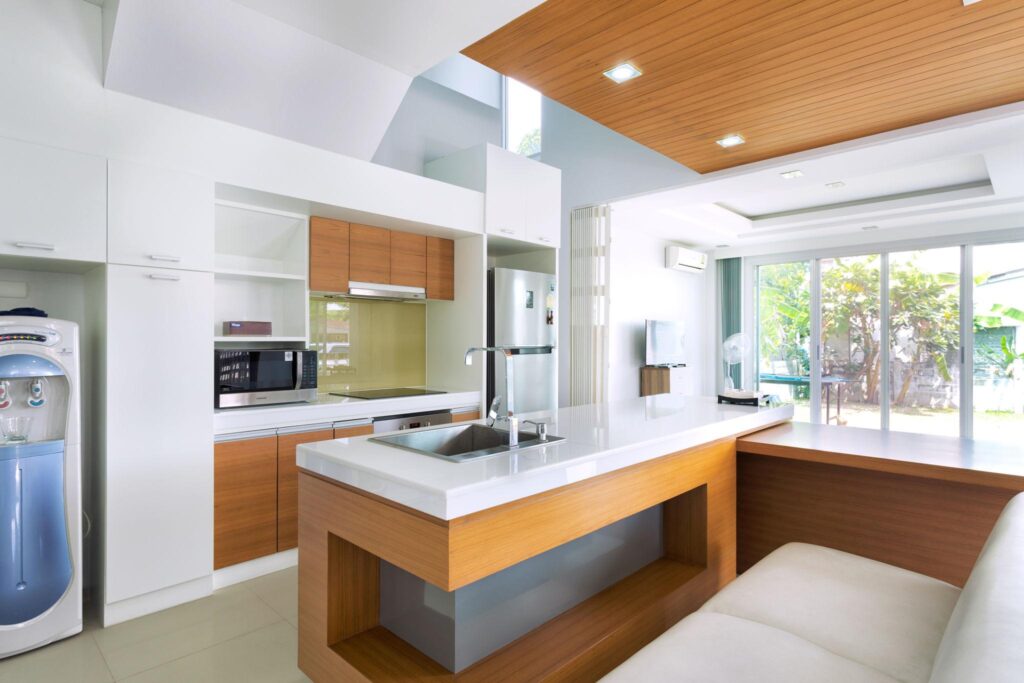
Cabinet painting is the single biggest bang-for-buck kitchen move. A can of chalk paint ($20–$30), new hardware ($30–$60), and a weekend gives you what looks like a full cabinet replacement. Choose navy, sage green, or warm white for 2026’s trending looks.
Cabinets account for nearly 30% of the budget for kitchen remodels—so skipping custom replacements and painting what you have is where serious money gets saved.
Peel-and-Stick Backsplash
Tile backsplash installation runs $400–$1,000 professionally. Peel-and-stick subway tile from brands like Smart Tiles or Aspect costs $30–$80 for a standard kitchen run and goes up in under two hours. It’s removable, grout-free, and increasingly convincing.
Update the Faucet Yourself
A kitchen faucet swap is DIY-friendly (no plumber needed for most standard setups) and takes 45–60 minutes. A brushed nickel pull-down faucet from Amazon or Home Depot runs $60–$120 and modernizes the entire sink area.
Budget breakdown for a kitchen refresh:
| Update | Estimated Cost |
|---|---|
| Cabinet painting (DIY) | $50–$100 |
| New cabinet hardware | $30–$80 |
| Peel-and-stick backsplash | $30–$80 |
| New faucet (DIY install) | $60–$120 |
| Under-cabinet LED strip lights | $20–$40 |
| Total | $190–$420 |
According to HomeAdvisor (2025), minor kitchen updates start at $3,500 when hiring pros, but most homeowners spend $10,000–$20,000 on professional mid-range remodels. The DIY approach above delivers 70–80% of the visual impact for 2–4% of that cost.
Bathroom Makeover Ideas: Big Impact, Tiny Footprint
Bathrooms are small. That works in your favor when budget-remodeling—every change is immediately visible and the cost of materials is low. According to the National Kitchen and Bath Association, the average bathroom renovation runs around $8,100. But a full DIY transformation is achievable for under $2,000.
Can you do it for less? Absolutely.
The $350 Bathroom Reset
The most dramatic bathroom transformation comes from three things: wallpaper on one wall, new towels and a bath mat, and updated accessories (soap dispenser, toothbrush holder, mirror). That’s it. A peel-and-stick wallpaper accent on one wall creates an instant focal point—especially useful in small bathrooms where a bold but subtle pattern adds depth.
Refinish, Don’t Replace
That dingy tub doesn’t need to come out. Refinishing a 5-foot bathtub starts at $475, while countertops can often be refreshed for $200–$400—versus $2,849 or more to replace a bathtub entirely. Products like Rust-Oleum’s Tub & Tile Refinishing Kit ($26) make this a weekend DIY.
Grout Is Secretly Ruining Your Bathroom’s Look
Old grout makes clean tile look dirty. Re-grouting (or using grout paint, which is even easier) costs $10–$25 in materials and immediately brightens the whole room. Change the grout color at the same time for a modern contrast effect.
Budget breakdown for a bathroom refresh:
| Update | Estimated Cost |
|---|---|
| Peel-and-stick accent wallpaper | $25–$50 |
| New towels + bath mat | $30–$60 |
| Updated accessories set | $20–$40 |
| Grout paint or re-grout | $10–$25 |
| Tub/tile refinishing kit | $26–$50 |
| New mirror (secondhand or flat pack) | $0–$60 |
| Total | $111–$285 |
Home Office and Other Spaces: What’s Worth Updating?
Not every room needs the same treatment. Here’s a quick-hit guide for spaces beyond the main four:
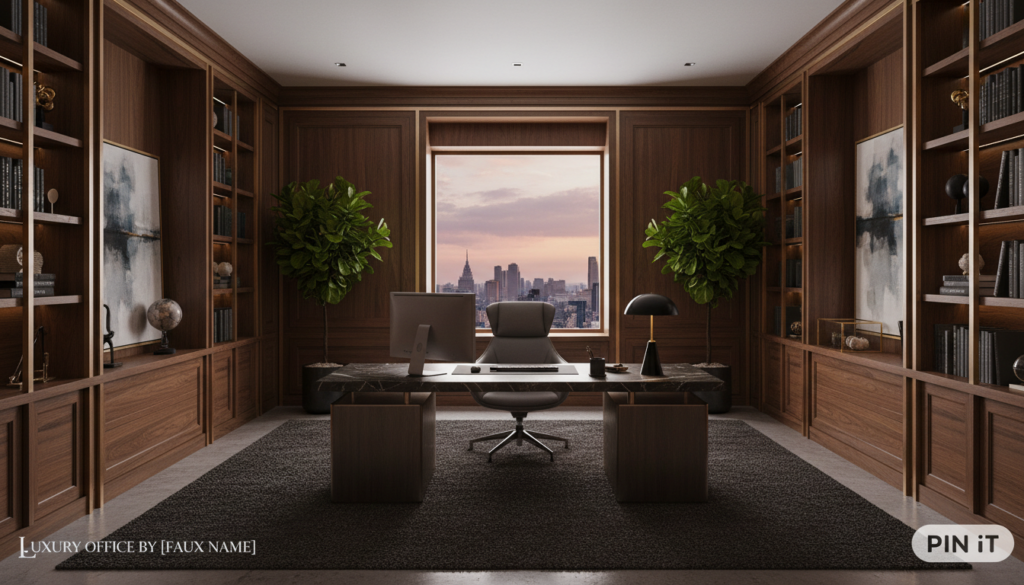
Home Office ($50–$150 total) The single most impactful home office upgrade is a monitor riser or floating shelf to get clutter off the desk surface ($15–$30). Add a desk lamp with warm light ($20–$40), and paint one wall behind your setup in a deep, focused color like forest green or navy. The difference on video calls alone is worth it.
Entryway ($30–$100 total) A coat hook rail ($15–$30), a small secondhand bench, and a mirror (even leaned against the wall) turns a dead hallway into a functional entry space. Add a $10 runner rug if the floor needs help.
Kids’ Room ($40–$120 total) Chalkboard paint on one wall ($12–$20 for a quart) gives kids a creative surface and you a contained mess. Swap closet doors for curtain panels (cheaper, easier to open, looks intentional). Add string lights for cozy ambiance—$8–$15 at most stores.
[PERSONAL EXPERIENCE] The home office accent wall is consistently underestimated. A single painted wall in a deep color makes any background look designed, and the total cost is under $40 in paint and primer.
What Order Should You Do Room Makeovers?
Strategy matters as much as budget. Tackling rooms in the wrong order wastes money and momentum.
The recommended sequence:
- Living room first
It’s where you (and guests) spend the most time. Early wins there build motivation. - Bedroom second
You’ll feel the improvement every morning. Sleep environment upgrades directly affect daily wellbeing. - Kitchen third
Higher impact, slightly more investment. Do it after you’ve built DIY confidence from rooms 1 and 2. - Bathroom fourth
Smallest room, biggest proportional payoff per dollar. Save this for when you’ve refined your eye. - Entryway and office last
These support spaces benefit from lessons learned in earlier rooms.
Smaller-scaled projects are leaning DIY in 2025–2026, driven by the desire to save on costs, while complex projects like kitchens and baths are more likely to involve a professional for specialized work.
That split approach—DIY the cosmetic work, hire out the structural or plumbing tasks—is the sweet spot for budget makeovers.
What Should You Always Hire Out (Even on a Budget)?
Even on a tight budget, some things genuinely aren’t worth the DIY risk:
- Electrical panel work or new circuit installation — Code violations can void home insurance.
- Plumbing reroutes — A mistake here becomes a $5,000+ water damage situation fast.
- Load-bearing wall removal — Non-negotiable. Always hire a structural engineer.
- Gas line work — Permits and licensed contractors only.
Everything else on the lists above? Completely DIY-able with basic tools and a YouTube tutorial.
FAQs: Budget Room Makeover Ideas
What’s the cheapest room to makeover in a house?
The entryway offers the highest visual impact for the lowest cost—often under $100 total. A coat hook rail, mirror, and small rug create a completely different first impression. Bathrooms are a close second, where a $350 DIY refresh using wallpaper, new towels, and accessories can look like a $3,000 renovation.
Can you really makeover a room for under $500?
Yes—every room on this list hits under $500 in DIY mode. The living room refresh example above runs $115–$290, the bathroom refresh runs $111–$285, and the bedroom refresh runs $130–$330. The key is focusing on paint, lighting, textiles, and accessories rather than replacing furniture or fixtures.
Is peel-and-stick wallpaper actually good?
It’s significantly better than it was even three years ago. Brands like Tempaper, NuWallpaper, and RoomMates offer realistic textures and patterns that hold well on smooth walls. They’re not permanent—which is a feature, not a bug, for renters or anyone who likes to evolve their space. Expect to pay $30–$90 to cover an accent wall.
How much does it cost to paint a room yourself?
A standard bedroom or living room costs $30–$80 in paint and supplies (roller, tray, painter’s tape, brush) to DIY. That covers a gallon of quality paint (which covers 350–400 sq ft) and basic supplies. Professional painting for the same room would run $300–$800 in labor alone.
What home improvements give the best ROI on a budget?
Color drenching (painting walls, trim, and ceiling the same color) is considered the most popular interior color trend by 55% of industry experts in 2025—and it costs exactly the same as painting just the walls. Beyond paint, lighting upgrades, hardware swaps, and decluttering consistently score highest for return-on-effort at minimal cost.
Conclusion
A full home makeover doesn’t have to happen at once—and it shouldn’t. The room-by-room approach keeps spending controlled, decisions intentional, and results visible at every stage. Starting with your living room and working toward the kitchen and bathrooms builds both skill and confidence.
The numbers are on your side. The U.S. home improvement market reached $620 billion in 2025, with a consistent 4.1% CAGR projected through 2027—driven partly by homeowners who’ve realized that smart, small improvements compound over time.
You don’t need a contractor’s budget. You need a plan, a can of paint, and a clear eye for what actually changes how a room feels. Start with one wall, one room, one weekend. The rest follows.